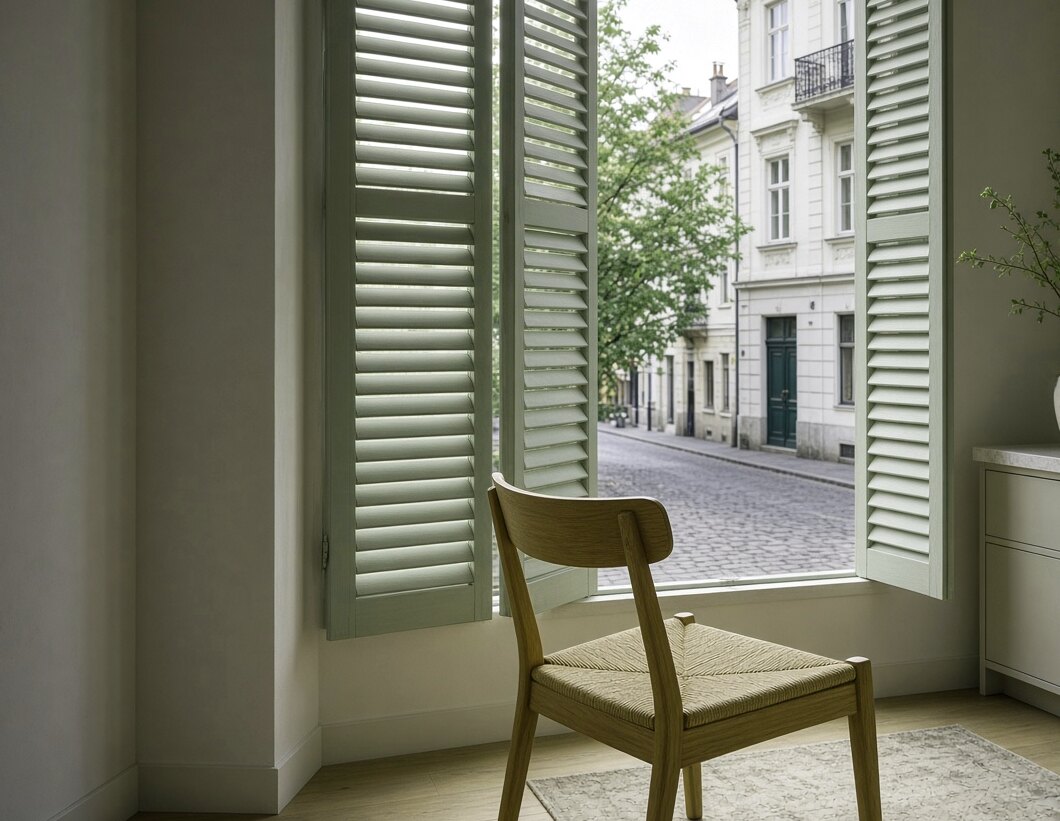
We shoot chrome and grey references in the same light as the plate. HDRI is a start, not a finish: we rebuild key and edge in the renderer until the contact shadows sit.
If the physical product cannot be there, we still light an empty stand so the CG object inherits the same wrap. The test is simple — if a producer can point to the render in the first second, we go back.
Materials are photographed, not guessed. Polarisation, roughness, and a measured white help more than a downloadable ‘studio HDRI’ from a different room.
Grade happens with the composite, not before. A plate graded in isolation will fight the CG no matter how good the look-dev was.
We deliver layered files when the contract asks, and flattened masters when it does not. Either way the public image is one picture.
Uniwest produces commercial stills and short films from Leuven. We plan photography and motion together so a lookbook and a cut share one white, and a campaign does not arrive as two vendors arguing in public. The rooms on Bondgenotenlaan hold a north window, tabletop, and a colour desk. Clients sit with tethered stills and a calibrated monitor in one visit. Product and grade live on the same floor. Location days stay on the brick we recce. Bounce and a quiet key match the street; we do not gel a sunset onto a grey afternoon. If the weather turns we wait or we rewrite, we do not invent Leuven later. Agencies send a media plan. We name masters for print, 1:1 and 9:16, keep a working project for the revision window, and hand an archive another editor can open without a private scheme.